
Hiring the right employees is one of the most important parts of business growth. A company can have a great product, strong marketing, and good funding, but if hiring is slow, messy, or inconsistent, growth becomes difficult.
Recruitment teams deal with many moving parts. They need to post jobs, collect applications, screen resumes, schedule interviews, communicate with candidates, collect hiring manager feedback, manage offers, and track hiring performance.
When this process is handled through email, spreadsheets, and random notes, things quickly become disorganized. Good candidates get missed. Interview feedback gets lost. Hiring managers become confused. Candidates wait too long. Recruiters waste time on manual work.
That is why companies use applicant tracking systems.
The best applicant tracking systems help recruitment teams manage the entire hiring process in one place. ATS software can organize candidates, publish jobs, build hiring pipelines, automate communication, schedule interviews, support collaborative hiring, improve candidate experience, and provide recruiting analytics.
In this guide, we will compare the best applicant tracking systems for recruitment teams, explain the features that matter most, and help you choose the right ATS for your business.
What Is an Applicant Tracking System?
An applicant tracking system, usually called an ATS, is software that helps companies manage job applications and recruitment workflows.
An ATS can help with:
- Job posting
- Careers pages
- Candidate applications
- Resume collection
- Candidate screening
- Interview scheduling
- Hiring pipelines
- Candidate communication
- Team feedback
- Offer management
- Recruiting reports
- Compliance records
- Talent pools
- Employee referrals
- Onboarding handoff
Greenhouse explains that an ATS helps teams monitor hiring progress, headcount pacing, time-to-fill, offer acceptance trends, pipeline metrics, compliance recordkeeping, and hiring handoffs.
For small companies, an ATS keeps hiring organized. For larger recruitment teams, it creates a structured hiring process that helps reduce confusion and improve hiring decisions.
Why Recruitment Teams Need an ATS
Recruiting can look simple from the outside, but the hiring process becomes complex as soon as multiple candidates, jobs, managers, and interview stages are involved.
Recruitment teams need an ATS because it solves common hiring problems.
1. Applications Get Organized in One Place
Without an ATS, resumes may arrive through email, LinkedIn, job boards, referrals, and website forms. It becomes hard to track who applied, where they came from, and what stage they are in.
An ATS brings all candidates into one system.
2. Hiring Pipelines Become Clear
A good ATS shows the candidate journey, such as:
- Applied
- Screened
- Phone interview
- Technical interview
- Hiring manager review
- Final interview
- Offer
- Hired
- Rejected
This helps recruiters and hiring managers know exactly what is happening.
3. Interview Scheduling Becomes Easier
Manual scheduling wastes time. ATS tools often include calendar integrations, self-scheduling links, reminders, and interview kits.
4. Candidate Experience Improves
Candidates do not like silence. An ATS helps recruitment teams send updates, confirmations, interview reminders, rejection emails, and offer communications faster.
5. Hiring Teams Can Collaborate
Recruiters, managers, interviewers, HR, and leadership can leave feedback inside one system instead of sending scattered messages.
6. Reporting Becomes More Accurate
ATS reporting helps companies understand time-to-hire, source quality, candidate conversion, interview bottlenecks, offer acceptance, and hiring team performance.
7. Recruiting Becomes More Consistent
Structured hiring improves fairness and reduces random decision-making. Greenhouse is known for structured hiring and built-in AI recruiting tools designed to streamline sourcing, hiring, and talent management.
Best Applicant Tracking Systems for Recruitment Teams
Below are some of the strongest applicant tracking systems for small businesses, startups, remote teams, HR departments, staffing agencies, and growing companies.
1. Workable
Best for: Recruitment teams that want a focused, easy-to-use hiring platform
Good for: Job posting, candidate pipelines, AI sourcing, interview scheduling, collaborative hiring
Main strength: Simple, powerful recruiting workflow for many business sizes
Workable is one of the best applicant tracking systems for companies that want a clean recruiting platform without unnecessary complexity. It is built for job posting, candidate sourcing, applicant tracking, interview management, hiring collaboration, and recruitment reporting.
Workable’s official feature set includes talent CRM, evaluation tools, AI-assisted applicant screening, self-service interview scheduling, and candidate management features.
Key Features
- Applicant tracking system
- Job posting
- Careers page builder
- Candidate pipeline
- Talent CRM database
- AI-assisted screening
- Interview scheduling
- Candidate evaluations
- Hiring team collaboration
- Offer management
- Recruiting reports
- Onboarding tools
- HR features
- Integrations with job boards and HR tools
Why Workable Is Good for Recruitment Teams
Workable is strong because it focuses on making recruitment practical. It helps companies publish jobs, collect applicants, manage pipelines, evaluate candidates, schedule interviews, and collaborate with hiring managers.
TechRadar’s 2026 recruitment platform guide described Workable as a focused recruiting product with job board posting, social media integrations, careers page tools, candidate pipelines, AI candidate suggestions, automation, assessments, anonymized screening, and third-party integrations.
This makes Workable a strong fit for companies that want a recruiting-first tool instead of a heavy enterprise HR system.
Best Fit
Workable is best for small and mid-sized recruitment teams that want a user-friendly ATS with strong job posting, candidate management, AI sourcing, and collaboration tools.
Possible Downsides
Workable may cost more than simple small-business ATS tools. Companies that need full HR, payroll, benefits, and employee records in one platform may prefer BambooHR, Rippling, Paycor, or Gusto.
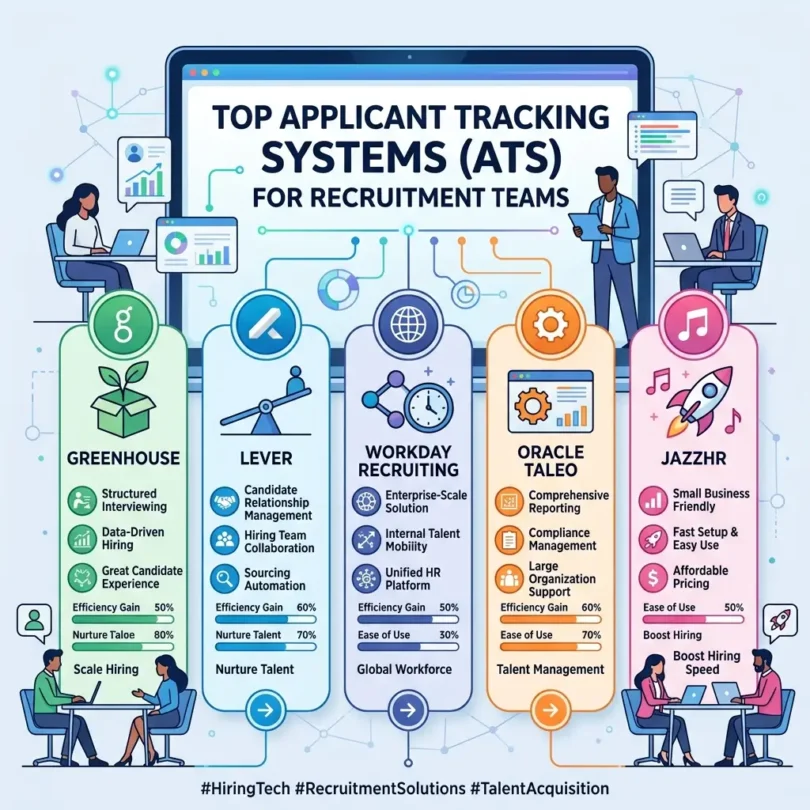
2. Greenhouse
Best for: Structured hiring and growing recruitment teams
Good for: Interview scorecards, hiring workflows, DEI, analytics, enterprise recruiting
Main strength: Structured, consistent, data-driven hiring process
Greenhouse is one of the most respected applicant tracking systems for companies that care about structured hiring. It is designed to help hiring teams create consistent interview processes, improve collaboration, and make better hiring decisions.
Greenhouse describes itself as more than a typical ATS, with built-in AI recruiting tools to streamline sourcing, hiring, and talent management.
Key Features
- Applicant tracking
- Structured hiring workflows
- Interview scorecards
- Candidate pipeline management
- Job posting
- Careers page tools
- AI recruiting features
- Interview planning
- Candidate communication
- Hiring analytics
- DEI support
- Compliance support
- Onboarding handoff
- Integrations with HR and recruiting tools
Why Greenhouse Is Good for Recruitment Teams
Greenhouse is strong because it helps companies build a repeatable hiring process. Instead of every hiring manager using a different method, Greenhouse supports structured interviews, scorecards, feedback collection, and standardized candidate evaluation.
This is useful for companies that want to reduce bias, improve hiring quality, and make recruiting decisions based on clear evidence.
Greenhouse also supports integrations with many recruiting and HR platforms. One official Greenhouse page mentions integrations with 500+ platforms including LinkedIn, Indeed, Checkr, Zoom, Google Meet, Teams, Calendly, BambooHR, Deel, and more.
Best Fit
Greenhouse is best for mid-sized and larger recruitment teams that want structured hiring, strong analytics, and a mature ATS.
Possible Downsides
Greenhouse may be more advanced and expensive than what very small businesses need.
3. Lever
Best for: Companies that want ATS plus recruiting CRM
Good for: Talent pipelines, candidate relationship management, sourcing, analytics
Main strength: ATS and CRM together in one platform
Lever is a strong applicant tracking system for companies that want recruiting and candidate relationship management in the same platform. It is especially useful for teams that source passive candidates and build long-term talent pipelines.
Lever says its combined ATS and CRM enables teams to post jobs, manage candidates, and track progress in real time.
Key Features
- Applicant tracking system
- Recruiting CRM
- Candidate pipeline management
- Job posting
- Candidate sourcing
- Nurture campaigns
- Interview scheduling
- Hiring collaboration
- Offer management
- Advanced analytics
- AI-supported workflows
- Candidate communication
- Integrations with HR tools
Why Lever Is Good for Recruitment Teams
Lever is useful because recruiting is not only about applicants who apply today. Many strong candidates are passive. They may need relationship building before they are ready to apply.
Lever’s ATS + CRM approach helps teams manage both active applicants and future candidates. This is valuable for startups, SaaS companies, tech teams, and businesses that recruit continuously.
Lever’s ATS page also describes the platform as combining ATS and CRM capabilities, with automation for recruitment tasks.
Best Fit
Lever is best for growing companies that want applicant tracking plus talent CRM in one system.
Possible Downsides
Lever may be more than a very small business needs if the company only hires occasionally.
4. Zoho Recruit
Best for: Affordable ATS for HR teams and staffing agencies
Good for: Corporate hiring, recruitment agencies, temp hiring, Zoho ecosystem users
Main strength: Flexible recruiting platform with strong value
Zoho Recruit is a cloud-based hiring platform for HR teams and recruitment agencies. It is part of the broader Zoho ecosystem, making it attractive for companies already using Zoho CRM, Zoho People, Zoho Mail, or Zoho Books.
Zoho describes Zoho Recruit as a cloud-based hiring platform that gives HR teams and recruitment agencies digital tools to fill roles quickly and efficiently.
Key Features
- Applicant tracking system
- Candidate database
- Job posting
- Resume management
- Careers page
- Interview scheduling
- Candidate communication
- Recruiting automation
- Client and agency features
- Staffing workflows
- Custom hiring pipelines
- Reports and analytics
- Zoho integrations
- Mobile apps
Why Zoho Recruit Is Good for Recruitment Teams
Zoho Recruit is useful because it can serve both internal HR teams and staffing agencies. It is also flexible and often more affordable than some premium ATS platforms.
For companies already using Zoho tools, Zoho Recruit can fit naturally into the existing business software stack.
Best Fit
Zoho Recruit is best for small and mid-sized businesses, recruitment agencies, and companies already using Zoho products.
Possible Downsides
Some teams may find the interface less polished than Workable, Greenhouse, or Lever.
5. BambooHR ATS
Best for: Small businesses that want hiring connected with HR records
Good for: Employee records, onboarding, HRIS, simple applicant tracking
Main strength: ATS connected with HR management
BambooHR is mainly known as HR software, but it also includes applicant tracking features. This makes it useful for small businesses that want recruiting, onboarding, employee records, time off, and HR management in one platform.
Key Features
- Applicant tracking
- Job openings
- Candidate records
- Hiring workflows
- Interview notes
- Email templates
- Offer management
- Onboarding handoff
- Employee database
- HR document storage
- Time off tracking
- HR reporting
Why BambooHR ATS Is Good for Recruitment Teams
BambooHR is good for businesses that do not need a separate, advanced recruiting platform. If your company hires occasionally and wants candidate records to move smoothly into employee records after hiring, BambooHR can be practical.
It is especially strong when HR management matters as much as hiring.
BambooHR’s broader platform brings employee, payroll, time, and benefits information together, which makes the hiring-to-employee handoff easier.
Best Fit
BambooHR ATS is best for small and mid-sized businesses that want applicant tracking connected with HR management.
Possible Downsides
Recruiting-heavy companies may prefer Workable, Greenhouse, Lever, or iCIMS for deeper ATS functionality.
6. iCIMS Talent Cloud
Best for: Enterprise recruitment and talent acquisition
Good for: Large hiring teams, career sites, recruitment marketing, analytics, automation
Main strength: Enterprise-scale talent acquisition platform
iCIMS is a major talent acquisition platform used by larger companies with complex recruiting needs. It supports applicant tracking, career sites, recruitment marketing, candidate engagement, analytics, and hiring workflows.
Key Features
- Enterprise ATS
- Career sites
- Candidate relationship management
- Recruitment marketing
- Interview scheduling
- Offer management
- Hiring workflows
- Candidate engagement
- Analytics and reporting
- Automation
- Integrations
- Compliance tools
- Talent pools
Why iCIMS Is Good for Recruitment Teams
iCIMS is strong for organizations hiring at scale. Large businesses need more than a simple hiring pipeline. They need recruitment marketing, career site optimization, candidate engagement, analytics, and compliance workflows.
TechRadar’s 2026 recruitment platform guide included iCIMS as a recruitment platform with advanced AI and machine learning for talent acquisition.
Best Fit
iCIMS is best for enterprise and high-volume hiring teams.
Possible Downsides
iCIMS may be too expensive and complex for small businesses.
7. JazzHR
Best for: Small businesses that need simple applicant tracking
Good for: Job posting, candidate management, interview workflows, team collaboration
Main strength: Small-business-friendly ATS
JazzHR is an ATS designed for small and growing businesses. It helps companies post jobs, track applicants, manage interviews, collaborate with hiring teams, and improve recruiting workflows.
Key Features
- Applicant tracking
- Job posting
- Careers page
- Candidate pipeline
- Interview scheduling
- Email templates
- Hiring team collaboration
- Candidate evaluations
- Offer letters
- Recruiting reports
- Workflow automation
- Compliance support
Why JazzHR Is Good for Recruitment Teams
JazzHR is good for small businesses that need a dedicated ATS but do not need a complex enterprise recruiting platform. It helps replace spreadsheets and email-based hiring with a more organized process.
Best Fit
JazzHR is best for small businesses that hire regularly but want simple applicant tracking.
Possible Downsides
Companies needing advanced CRM, enterprise analytics, or structured hiring depth may prefer Lever, Greenhouse, Workable, or iCIMS.
8. Recruitee
Best for: Collaborative hiring teams
Good for: Team-based recruiting, hiring pipelines, careers pages, automation
Main strength: Simple collaborative hiring workflows
Recruitee is a collaborative hiring platform that helps teams manage recruiting workflows together. It is useful for companies where hiring managers, recruiters, department leads, and interviewers all participate in candidate decisions.
Key Features
- Applicant tracking
- Hiring pipelines
- Careers page builder
- Job posting
- Candidate sourcing
- Team collaboration
- Interview scheduling
- Candidate evaluations
- Automation workflows
- Reports and analytics
- Talent pools
- Recruiting templates
Why Recruitee Is Good for Recruitment Teams
Recruitee is strong for team-based hiring. It helps hiring teams stay aligned and make decisions in one place instead of using scattered messages, spreadsheets, and email threads.
Best Fit
Recruitee is best for small and mid-sized companies that want collaborative hiring and easy candidate pipeline management.
Possible Downsides
Very large companies may need deeper enterprise talent acquisition tools.
9. Breezy HR
Best for: Visual hiring pipelines and small teams
Good for: Startups, small businesses, simple recruiting workflows
Main strength: Easy drag-and-drop candidate management
Breezy HR is an applicant tracking system known for visual hiring pipelines. It helps small businesses and startups manage candidates through drag-and-drop recruiting stages.
Key Features
- Visual candidate pipelines
- Job posting
- Careers page
- Candidate sourcing
- Email and SMS communication
- Interview scheduling
- Candidate scorecards
- Team collaboration
- Automation
- Video interviewing options
- Reports
- Offer management
Why Breezy HR Is Good for Recruitment Teams
Breezy HR is useful because it is simple and visual. Teams can move candidates through hiring stages easily and see the status of each role quickly.
This is helpful for companies moving from spreadsheets to their first ATS.
Best Fit
Breezy HR is best for startups and small businesses that want visual, easy-to-use applicant tracking.
Possible Downsides
Companies with complex recruiting, compliance, or enterprise reporting needs may need a more advanced platform.
10. SmartRecruiters
Best for: Larger teams and talent acquisition suites
Good for: Recruiting marketing, high-volume hiring, global hiring, hiring team collaboration
Main strength: Full talent acquisition suite
SmartRecruiters is a talent acquisition platform designed for companies that need more than basic ATS functionality. It supports job advertising, candidate management, hiring collaboration, analytics, recruitment marketing, and enterprise hiring workflows.
Key Features
- Applicant tracking
- Recruitment marketing
- Job distribution
- Candidate management
- Interview scheduling
- Hiring team collaboration
- Offer management
- Hiring analytics
- Global recruiting support
- Integrations
- Talent pools
- Automation
- Compliance support
Why SmartRecruiters Is Good for Recruitment Teams
SmartRecruiters is good for businesses that need a full recruiting suite and better hiring team collaboration. It can support larger recruitment operations and high-volume hiring workflows.
Best Fit
SmartRecruiters is best for mid-sized and larger companies that need a talent acquisition suite.
Possible Downsides
It may be more than what small businesses need for occasional hiring.
Quick Comparison Table
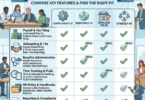
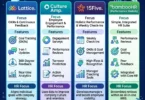
| Applicant Tracking System | Best For | Main Strength | Best Business Type |
|---|---|---|---|
| Workable | Recruiting-focused teams | Job posting, AI sourcing, easy pipelines | SMBs and growing companies |
| Greenhouse | Structured hiring | Scorecards, workflows, analytics | Mid-market and enterprise teams |
| Lever | ATS + CRM | Candidate relationship management | Growth companies and tech teams |
| Zoho Recruit | Affordable ATS | HR and agency recruiting flexibility | SMBs and staffing agencies |
| BambooHR ATS | HR-connected hiring | Hiring to onboarding handoff | Small and mid-sized businesses |
| iCIMS | Enterprise recruiting | Talent acquisition at scale | Large companies |
| JazzHR | Small business ATS | Simple candidate tracking | Small businesses |
| Recruitee | Collaborative hiring | Team hiring workflows | SMB hiring teams |
| Breezy HR | Visual pipelines | Drag-and-drop candidate tracking | Startups and small teams |
| SmartRecruiters | Talent acquisition suite | Recruitment marketing and analytics | Mid-sized and large companies |
Important Features to Look for in an ATS
Choosing the best applicant tracking system depends on your hiring volume, team size, budget, and recruiting process.
1. Job Posting
Your ATS should publish jobs to your careers page and job boards. Some platforms support hundreds of job boards and social media channels.
2. Careers Page
A good careers page helps improve employer branding and candidate experience. Workable notes that strong ATS platforms should help build careers pages, job ads, and easy application forms.
3. Candidate Pipeline
The pipeline should clearly show every hiring stage and candidate status.
4. Resume Management
The ATS should collect resumes, parse information, and make candidate profiles searchable.
5. Interview Scheduling
Calendar integrations and self-scheduling links save time for recruiters and candidates.
6. Candidate Communication
Email templates, automated updates, reminders, and bulk communication help keep candidates informed.
7. Team Collaboration
Hiring managers and interviewers should be able to leave feedback, notes, ratings, and decisions in one place.
8. Scorecards and Evaluations
Structured scorecards help make candidate evaluation more consistent.
9. Recruiting Analytics
Reports should show source quality, time-to-hire, time-to-fill, candidate conversion, and hiring bottlenecks.
10. Talent CRM
A talent CRM helps build long-term candidate relationships, especially for passive candidates.
11. Integrations
The ATS should connect with HRIS, payroll, background checks, assessments, calendar tools, email, video interview tools, and job boards.
12. Compliance Support
Hiring records, candidate consent, equal opportunity reporting, and audit trails matter for many companies.
ATS Software vs HR Software
ATS software and HR software are connected, but they solve different problems.
ATS Software
ATS software focuses on recruitment:
- Job posting
- Candidate tracking
- Resume management
- Interviews
- Hiring pipelines
- Offers
- Recruiting analytics
HR Software
HR software focuses on employee management:
- Employee records
- Payroll
- Onboarding
- Time off
- Benefits
- Performance
- Documents
- Compliance
Some platforms combine both. BambooHR, Rippling, Paycor, Gusto, and Zoho can connect hiring with broader HR. Workable, Greenhouse, Lever, iCIMS, and SmartRecruiters are more recruiting-focused.
Best ATS by Business Type
Best ATS for Small Businesses
Workable, JazzHR, Breezy HR, Zoho Recruit, and BambooHR ATS are strong options for small businesses.
Best ATS for Startups
Workable, Lever, Breezy HR, Recruitee, and Greenhouse can work well depending on hiring volume.
Best ATS for Structured Hiring
Greenhouse is one of the strongest choices for structured interviews, scorecards, and consistent hiring workflows.
Best ATS for Talent CRM
Lever is strong because it combines ATS and CRM capabilities.
Best ATS for Recruitment Agencies
Zoho Recruit is a good option because it supports HR teams and recruitment agencies.
Best ATS for Enterprise Hiring
iCIMS, SmartRecruiters, Greenhouse, and Workday Recruiting are better for larger hiring operations.
Best ATS for HR-Connected Hiring
BambooHR, Rippling, Paycor, and Zoho Recruit are good choices when hiring needs to connect with employee records and onboarding.
How Much Does an Applicant Tracking System Cost?
ATS pricing depends on:
- Number of users
- Number of open jobs
- Hiring volume
- Company size
- CRM features
- AI features
- Job board posting
- Careers page tools
- Interview scheduling
- Reporting depth
- Onboarding features
- Integrations
- Support level
- Monthly or annual billing
Some ATS platforms publish pricing, while others use custom quotes.
A TechRadar review of Workable noted pricing starting at $299/month when billed annually for small businesses, with higher plans and HR add-ons available. Pricing can change, so always verify directly with the vendor before buying.
When comparing ATS pricing, ask:
- Is pricing per user or per job?
- Are unlimited jobs included?
- Are job board posts included?
- Is the careers page included?
- Is interview scheduling included?
- Are AI features included?
- Is CRM included?
- Are integrations included?
- Is onboarding included?
- Is support included?
- Are there implementation fees?
The cheapest ATS is not always the best. A poor hiring process can cost more than good software.
Common ATS Mistakes Recruitment Teams Make
Mistake 1: Choosing Software Without Defining the Hiring Process
An ATS cannot fix a broken hiring process if the team does not define stages, roles, and responsibilities.
Mistake 2: Ignoring Candidate Experience
Long forms, slow responses, and confusing communication can make good candidates leave.
Mistake 3: Not Training Hiring Managers
Hiring managers need to use the ATS properly. Otherwise, feedback stays scattered in emails and chats.
Mistake 4: Using Too Many Stages
Too many interview stages slow hiring and frustrate candidates.
Mistake 5: Not Tracking Source Quality
Knowing where strong candidates come from helps improve recruiting budget decisions.
Mistake 6: No Structured Feedback
Without scorecards, interview feedback can become subjective and inconsistent.
Mistake 7: Forgetting Onboarding Handoff
Once a candidate is hired, information should move smoothly into onboarding or HR software.
Mistake 8: Not Cleaning Old Candidate Data
Candidate databases should be organized, updated, and managed according to privacy rules.
ATS and AI Recruiting
Many modern applicant tracking systems now include AI features. These may help with:
- Candidate sourcing
- Resume screening
- Job description writing
- Candidate matching
- Interview question suggestions
- Outreach personalization
- Recruiting analytics
- Workflow automation
AI can save time, but recruitment teams should use it carefully. Hiring decisions should not depend blindly on automated suggestions. Human review, clear criteria, fairness, and compliance still matter.
AI recruiting should support better hiring, not replace responsible decision-making.
Final Verdict: What Is the Best Applicant Tracking System?
The best applicant tracking system depends on your hiring volume, company size, budget, and recruitment process.
For most recruitment teams:
- Best overall ATS for SMBs: Workable
- Best for structured hiring: Greenhouse
- Best ATS + CRM platform: Lever
- Best affordable ATS: Zoho Recruit
- Best HR-connected ATS: BambooHR
- Best enterprise ATS: iCIMS
- Best simple small-business ATS: JazzHR
- Best collaborative hiring platform: Recruitee
- Best visual ATS for startups: Breezy HR
- Best talent acquisition suite: SmartRecruiters
If your company wants a focused, easy recruiting platform, start with Workable. If you need structured hiring, compare Greenhouse. If you need ATS and CRM together, compare Lever. If you want affordable recruiting software, compare Zoho Recruit. If hiring needs to connect with HR records, compare BambooHR.
The most important point is this: hiring should not be managed with messy spreadsheets and scattered emails. A good ATS helps recruitment teams move faster, stay organized, improve candidate experience, and make better hiring decisions.
FAQs About Applicant Tracking Systems
What is the best applicant tracking system?
The best applicant tracking system depends on your business. Workable is strong for SMBs, Greenhouse is best for structured hiring, Lever is strong for ATS plus CRM, Zoho Recruit is affordable, BambooHR connects hiring with HR, and iCIMS is strong for enterprise recruiting.
What does an applicant tracking system do?
An ATS helps companies post jobs, collect applications, track candidates, schedule interviews, manage feedback, communicate with applicants, create offers, and report on hiring performance.
Do small businesses need an ATS?
Yes, small businesses need an ATS if they hire regularly. It helps replace spreadsheets, organize applicants, improve communication, and reduce manual hiring work.
What is the difference between ATS and CRM?
An ATS manages active applicants and hiring workflows. A recruiting CRM manages long-term candidate relationships and talent pools. Lever is known for combining ATS and CRM in one platform.
Is Workable a good ATS?
Yes. Workable is a strong recruiting platform with job posting, AI-assisted screening, talent CRM, interview scheduling, candidate evaluation, and hiring collaboration features.
Is Greenhouse good for recruiting?
Yes. Greenhouse is strong for structured hiring, interview planning, scorecards, candidate management, AI recruiting features, and hiring analytics.
What is the best ATS for recruitment agencies?
Zoho Recruit is a strong option for recruitment agencies because it supports agency workflows as well as internal HR hiring.
What is the best ATS for startups?
Workable, Lever, Breezy HR, Recruitee, and Greenhouse can be good options for startups depending on hiring volume and budget.
Can an ATS improve candidate experience?
Yes. An ATS improves candidate experience by organizing communication, sending reminders, speeding up scheduling, and reducing candidate confusion.
How do I choose the right ATS?
Choose an ATS based on hiring volume, budget, job posting needs, interview workflow, reporting, integrations, candidate experience, team collaboration, and whether you need CRM or HR integration.